

Hockey is one of Canada’s most exciting sports, but it’s also among the most physically demanding. Between the speed, the contact, and the flying pucks, your teeth are constantly at risk. A single impact can cause chips, fractures, or even complete tooth loss. What many players underestimate is how quickly a minor injury can escalate into a dental emergency requiring complex care from an emergency dentist.
Fortunately, most of these accidents are preventable. With the proper dental protection, consistent dental hygiene, and awareness of what to do during an emergency, players can protect their smile for the long term. In this article, we’ll cover the importance of dental protection in hockey, the gear every player should use, and what steps to take if an injury happens, both on and off the ice.
Why Dental Protection Is Crucial in Hockey
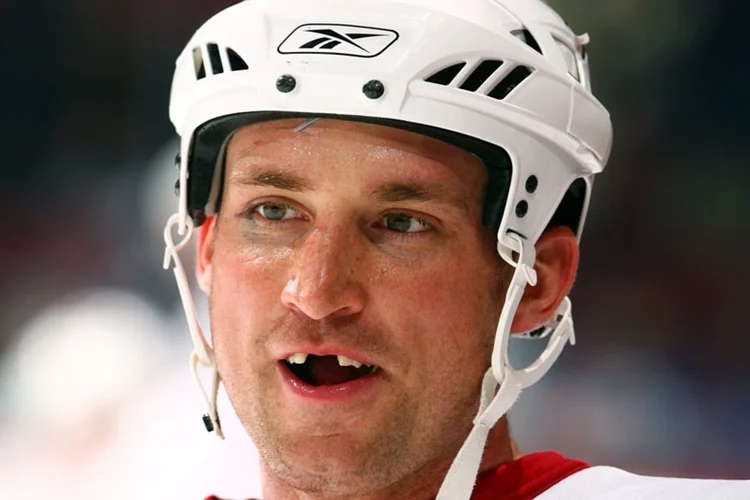
Hockey players are up to 15 times more likely to experience dental trauma than athletes in non-contact sports. These injuries range from chipped and cracked teeth to jaw fractures and full tooth avulsions. Without protection, even a light impact can damage both teeth and supporting tissues, necessitating restorative dentistry or even dental implants later in life.
Here is also an interesting video from the national hockey team of the United States players that is about the number of teeth that they have lost:
Beyond the physical damage, untreated oral injuries can lead to inflammation and infection, underscoring the link between gum health and heart health. Preventing dental injuries is about more than keeping your smile intact; it’s about maintaining your health and avoiding unnecessary emergency visits.
The Goonguard website says:
“In the fast-paced, high-impact world of hockey, safety is paramount. One of the most critical pieces of protective gear for any hockey player is the mouth guard. While it may seem like a simple device, the science behind hockey mouth guards is quite complex. Understanding how they work, what makes them effective, can help you appreciate their importance and ensure you’re making the right decision for your safety.”
Common Dental Risks for Hockey Players
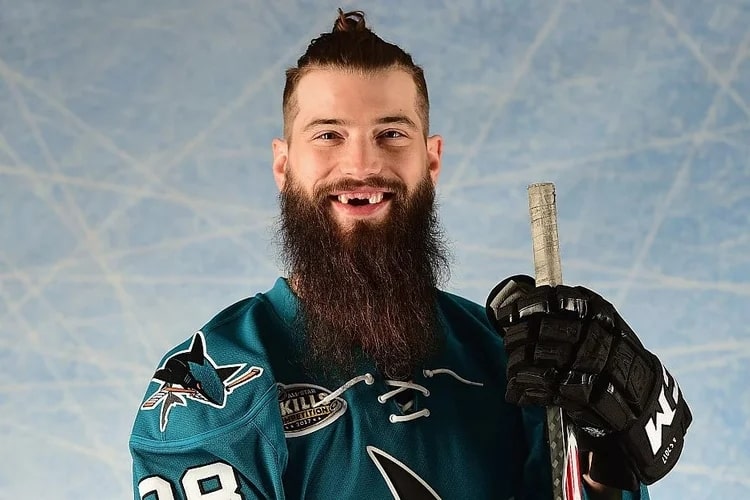
Dental injuries in hockey are rarely just “minor accidents.” Because of how the sport is played, certain types of oral trauma are consistently seen in both amateurs and professionals:
Chipped or Fractured Teeth
Fast impacts from sticks or pucks often crack or chip the enamel. Even small fractures can expose nerves and lead to sensitivity or infection if left untreated.
Knocked Out Teeth
A direct blow to the mouth can completely dislodge a tooth. These are dental emergencies where every minute matters. Without prompt care, saving the natural tooth becomes more difficult.
Soft Tissue Injuries
Lips, gums, and cheeks are highly vulnerable. These injuries can bleed heavily and may require stitches or antibiotics depending on severity.
Jaw Injuries and TMJ Strain
Even while wearing protective helmets, hockey players may sustain jaw injuries from impacts. These can result in pain, difficulty chewing, or bite changes that might require treatment from a dentist or oral surgeon.
The key factor is that many of these injuries are preventable with the right safety habits and awareness. Being aware of the risks helps players make smarter decisions before stepping onto the ice.
Essential Dental Gear for Hockey Players
While helmets and pads are standard, players often underestimate the importance of mouthguards and other oral protective gear for their safety. Here’s what every hockey player should have:
- Custom-Fitted Mouthguards: The cornerstone of protection. Your general dentist crafts these guards to fit your teeth and jaw perfectly.
- Boil and Bite Mouthguards: A more affordable alternative available in sporting goods stores. They’re not as durable or comfortable as custom models, but they’re still far better than playing without protection.
- Helmets with Full Face Cages or Shields: Essential for preventing fractures and soft-tissue injuries from pucks or sticks. These, combined with a proper mouthguard, provide maximum defence.
- Jaw Guards and Chin Straps: Reduce impact force to the lower face and jaw. They help prevent tooth fractures, dislocations, and TMJ injuries.
Even amateur and youth players should treat mouth protection as part of their standard uniform. Your mouth is just as essential to protect as your head, and much harder to repair if damaged.
Read more: What to do before a dental emergency
What to Do in Case of a Dental Injury
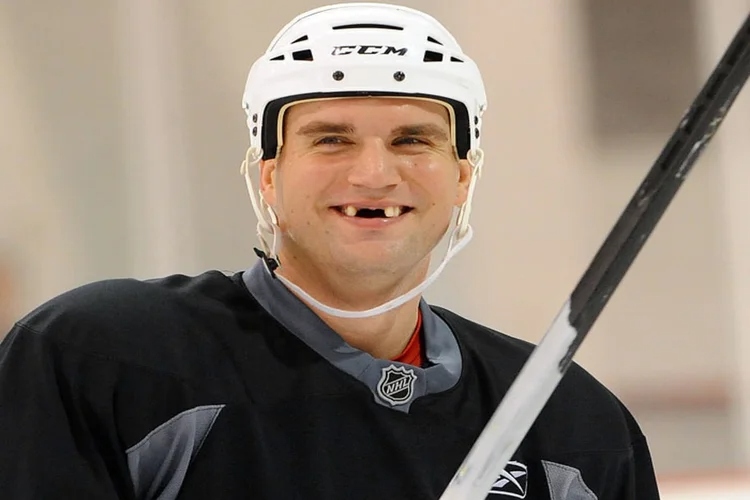
Despite every precaution, accidents still happen. Knowing what to do in the first few minutes after a dental injury can make the difference between saving and losing a tooth:
- Stay Calm and Assess the Damage
If your tooth is chipped, fractured, or knocked out, avoid panic. Quick and controlled actions matter most. - Recover the Tooth or Fragments
Handle the tooth by the crown, not the root, and rinse it gently with water if it’s dirty. Avoid scrubbing. If possible, reinsert it into its socket and bite down softly on a gauze pad to hold it in place. - Keep the Tooth Moist
If you can’t reinsert it, store it in milk, saline, or inside your cheek. This keeps the root cells alive until you reach a dentist. - Seek Immediate Emergency Dental Care
Time is critical, ideally within 30 minutes. Visit your local emergency dental clinic in Scarborough or call your emergency dentist for immediate guidance. Treatments such as root canal therapy may save the natural tooth if performed promptly. - Manage Pain and Swelling
Apply a cold compress and take OTC pain relievers if needed, but avoid aspirin on the gums as it can irritate.
Read more: Urgent Emergency Dental Care Signs
How Hockey Players Can Maintain a Healthy Smile
Preventing dental trauma is only part of staying safe as a hockey player. Maintaining good oral health ensures you’re less susceptible to complications or infections if an injury occurs.
Start With Strong Home Care: Daily brushing and flossing reduce plaque, inflammation, and the risk of gum disease. A healthy mouth heals faster and is less prone to infection after injuries.
Schedule Regular Dental Checkups: Routine cleanings and exams help spot issues early, such as enamel wear or minor fractures from previous games. Your dentist can also recommend updates to your mouthguard or adjustments to its fit.
Stay Hydrated and Choose Mouth-Healthy Foods: Sports drinks and energy beverages can erode enamel and weaken your teeth over time. Water is the best choice for hydration and helps protect enamel strength.
Replace Worn-Out Gear: Mouthguards and jaw guards lose protective strength with use. Replacing damaged or old gear ensures you stay protected game after game.
Hockey players who balance both protection and oral hygiene significantly reduce the likelihood of dental problems. With the proper habits, your smile can stay healthy season after season, even with the intensity of the sport.
Protect your smile before the puck drops!
At Lawrence Dental Centre, we help hockey players and active patients stay safe with emergency dental care, and expert restorative treatments.
Book your appointment today and get a solution designed for your comfort, safety, and confidence.
Stay Ahead of the Game by Caring for Your Hockey Smile
Playing hockey without dental protection is like skating without a helmet, which is risky and unnecessary. Proper oral gear significantly reduces the likelihood of traumatic injuries that could otherwise require cosmetic dentistry or restorative procedures down the line. And knowing how to respond after an accident ensures the best possible recovery.
Strong dental health supports your confidence, your game, and your quality of life. Whether you’re a weekend player or part of a league, take the time to invest in your smile; it’s a part of your winning strategy both on and off the rink.
FAQ
What type of mouthguard is best for hockey players?
Custom-fitted mouthguards made by your dentist in Scarborough provide the best fit and protection.
How often should I replace my mouthguard?
At least once per season, or sooner if it becomes loose, cracked, or damaged. Growing athletes should replace their mouthguards more frequently as their mouths change shape.
Can I use a mouthguard if I have braces?
Yes. Your dentist can design a special orthodontic mouthguard that fits comfortably over braces without interfering with alignment treatment.
What should I do if I lose a tooth during a game?
Handle it gently by the crown, rinse if needed, and either place it back into the socket or store it in milk. Then, go to an emergency dentist immediately. Quick action can often save the tooth.
Feel free to ask your questions about this topic in the comment section
