
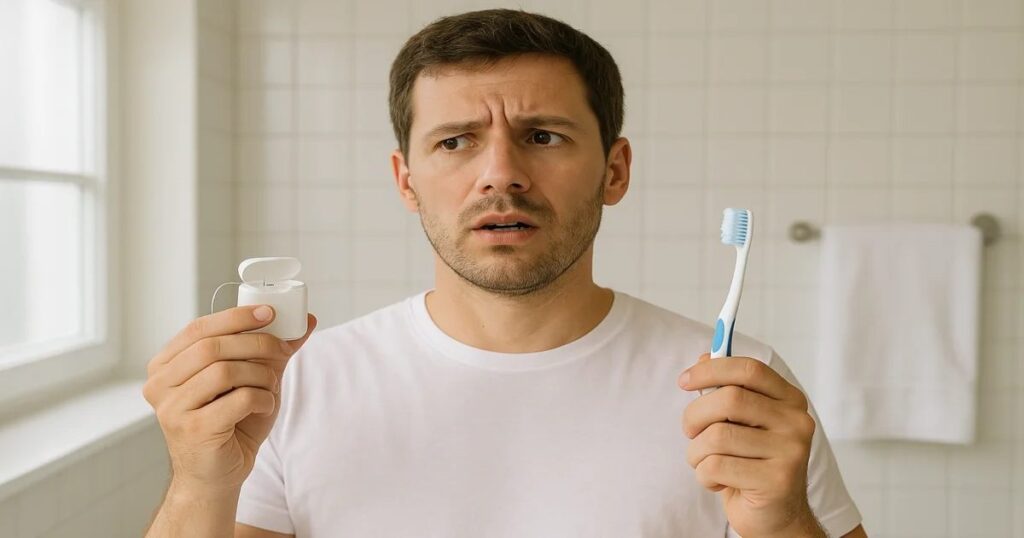
For years, Canadians have seen conflicting headlines claiming flossing “may not be necessary,” leaving many unsure whether it genuinely contributes to oral health. But despite the online buzz, dental science paints a very different picture. The real question isn’t whether flossing and dental hygiene services work; it’s why skipping them causes problems you don’t feel until it’s too late.
In this article, you’ll learn why flossing became controversial, what current evidence actually proves, what happens inside the mouth when flossing is ignored, and how tools like interdental brushes and water flossers compare. You’ll also see what dentists recommend for real-world daily routines, especially for patients managing gum inflammation, orthodontic appliances, or early signs of periodontal concerns often discovered during routine dental exams, such as your dental cleaning appointment.

Flossing Dental Benefits
Let’s deep-dive into flossing and its benefits; there won’t be any non-authentic talk, especially in the field of personal experience and the state of feeling good hygiene.
Impact on gum disease
Research consistently shows that flossing significantly reduces inflammation in the spaces your toothbrush cannot reach. Gingivitis begins between teeth, where plaque biofilm thrives untouched unless disrupted manually. Flossing breaks this chain early, lowering the risk of long-term periodontal problems, a key part of gum health that also ties into overall health. Many people don’t know about the surprising link between gums and heart health.
Prevention of interproximal cavities
Cavities that form between teeth are some of the most common and hardest to detect without X-rays. Since toothbrush bristles cannot reach these narrow spaces, flossing plays a direct role in preventing decay. Consistent interdental cleaning lowers the bacterial load responsible for enamel demineralization.
Breath Freshness
Flossing also helps minimize staining, improves breath freshness by removing trapped food particles, and reduces harmful bacterial colonies that contribute to tartar formation. Over time, this supports healthier gums, more stable bone levels, and a decreased risk of needing treatments such as periodontal therapy.
Aesthetic Improvements
Flossing doesn’t just improve oral health; it also boosts your smile’s appearance. By preventing plaque buildup, which can lead to discoloration, flossing ensures a brighter smile. With consistent flossing, you can maintain a cleaner, more confident smile, free from staining.
Connection to Overall Health
Flossing is directly linked to better overall health, and poor oral hygiene has been associated with various systemic conditions. Some notable connections include: heart disease and stroke, diabetes management, and respiratory health.
Cost Savings
Preventing dental issues through regular flossing is more cost-effective than treating severe dental problems later on. Flossing can help prevent expensive treatments like root canals, fillings, and gum surgeries by keeping your teeth and gums healthy.
Enhanced Well-being
Maintaining oral hygiene not only affects your teeth and gums but also contributes to your overall well-being. The confidence that comes with fresh breath, healthy gums, and a bright smile can significantly enhance your self-esteem and quality of life.
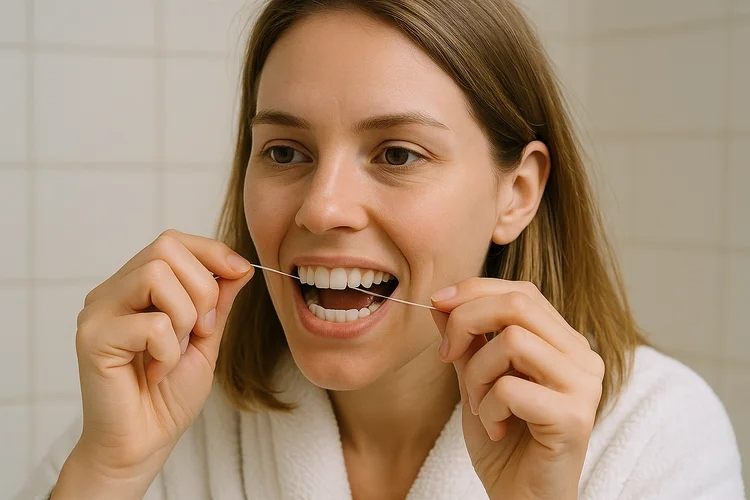
What Happens When You Don’t Floss
These are the main consequences of not flossing or even not flossing regularly or properly:
- Early gum inflammation: Skipping flossing allows plaque to thicken, irritating the gums and triggering redness, swelling, and occasional bleeding. These symptoms often go unnoticed because they rarely cause pain in the early stages.
- Bone loss and periodontal disease: When plaque hardens into tartar beneath the gumline, pockets deepen, and bone begins to deteriorate. This progression is silent but serious, eventually requiring advanced care.
- Higher risk of decay between teeth: Without daily removal of interdental plaque, bacteria remain active for long periods, increasing the likelihood of cavities in hard-to-reach areas.
There are definitely other consequences that can occur solely from not flossing, though they are less frequent, such as bad breath, cosmetic issues, tooth loss, and even other chronic health problems.
This is a quote by a doctor from NIH about how bad it really is not to floss:
“Like dieting or exercising, skipping a day here and there won’t hurt; in fact, there are some lucky people who have healthy mouths despite never flossing. There are usually clear signs when the interdental areas are being neglected—sometimes it’s plaque or calculus buildup, and sometimes it’s a more serious condition like gingivitis or periodontitis.”
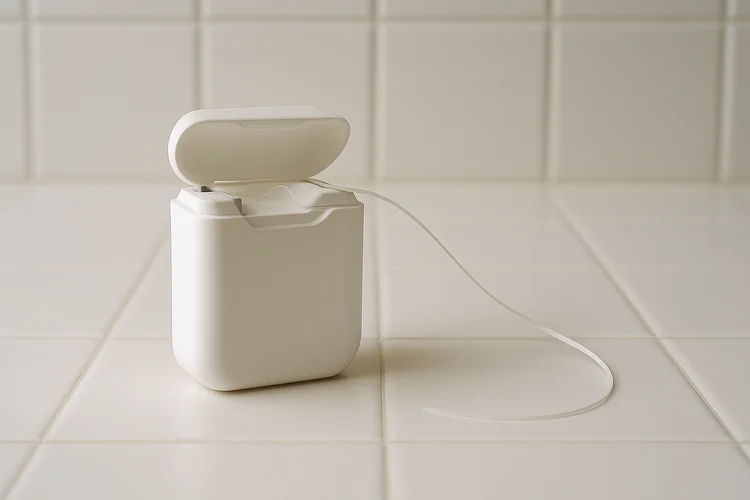
What Are Common Flossing Mistakes?
Flossing is key to good oral health, but many people make simple mistakes that reduce its effectiveness. Here are some of the most common mistakes:
- Not Flossing Daily: Skipping flossing or doing it inconsistently leaves plaque between your teeth, which can lead to gum disease and cavities. Plaque builds up daily, so flossing is necessary for maintaining healthy teeth and gums.
- Using the Wrong Technique: Snapping floss between teeth or only flossing the surface can irritate the gums and leave plaque behind. Floss should be gently curved around each tooth and run below the gumline to remove bacteria effectively.
- Skipping Hard-to-Reach Areas: It’s easy to miss the back molars or tight spots between teeth. These areas can accumulate plaque and bacteria, which can lead to tooth decay if not appropriately flossed.
- Using the Wrong Type or Length of Floss: Choosing the wrong floss, whether too thick or too thin, can make it difficult to clean effectively. Using enough floss (18 inches) is essential to ensure each tooth gets cleaned without reusing the same section.
- Flossing at the Wrong Time: Flossing after brushing may feel natural, but flossing before brushing allows toothpaste to work better between your teeth, cleaning deeper and providing more protection.
- Stopping When Gums Bleed: Some stop flossing when their gums bleed, thinking it’s a sign of injury. However, bleeding often signals gingivitis, which means you need to continue flossing to prevent further issues.
By understanding common flossing mistakes and adjusting your technique, you can ensure your flossing routine truly benefits your oral health. Remember, flossing is just as important as brushing, and doing it correctly can prevent a wide range of dental issues, from gum disease to cavities. Stay consistent, use the right tools, and pay attention to your technique for a healthier, brighter smile.
Flossing vs Other Interdental Tools: What Works Best?
As you may have seen, there are other interdental tools on the market, and many people are using them, but the question is which one is the best and actually helps.
These are mainly the most used and also the best-selling interdental tools in the world, especially in Canada, besides dental floss:
Interdental Brushes
These small bristle tools are ideal for patients with larger interdental spaces, gum recession, or dental implants. Studies show they can remove more plaque than floss in some instances because they physically scrub the sides of the teeth.
Water Flossers
Water flossers are excellent for patients with braces, bridges, or difficulty using string floss. They flush out bacteria and debris effectively and are often recommended as part of a comprehensive routine, especially after seeing an emergency dentist for gum irritation or swelling caused by trapped food.
Traditional String Floss
Still the gold standard for tight spaces, string floss offers precise contact with the tooth surface and physically disrupts plaque. For individuals with healthy gums and no major spacing issues, it remains the most effective daily option.
Read more: Oral health products dentists recommend
What Dentists Recommend for Everyday Patients
Dentists recommend flossing once daily, ideally at night, to minimize plaque accumulation during sleep. Proper technique matters: gently guiding floss between teeth, hugging each surface, and avoiding snapping motions protects the gumline from injury.
Patients with bridges, orthodontics, deep pockets, or dental implants may require additional cleaning tools. Dentists often personalize these plans during routine hygiene visits or after treatments like deep cleaning for gum disease.
Ready for a Healthier, Brighter Smile?
Book your dental hygiene appointment or even you dental checkup appointment at Lawrence Dental Centre in Scarborough.
Our friendly hygienists provide gentle, thorough cleanings designed to keep your gums healthy and your smile strong.
Improve Dental Hygiene by Implementing Flossing into Your Routine
Daily flossing remains one of the simplest, most effective ways to protect your gums, teeth, and long-term oral health. The scientific evidence is clear: brushing alone can’t remove the plaque hiding between teeth, and ignoring these areas eventually leads to inflammation, decay, and preventable dental problems.
At Lawrence Dental Centre, you can count on a team that prioritizes preventive care, evidence-based dentistry, and personalized education. Whether you need help choosing interdental tools or managing early gum concerns, our clinicians ensure every patient has a plan tailored to their unique needs.
FAQ
Is flossing really necessary if I brush well?
Yes. Brushing cleans only 60% of tooth surfaces; flossing covers the remaining interdental areas that brushing cannot reach.
Are water flossers as effective as floss?
They are excellent supplements and beneficial for braces or gum disease, but they do not fully replace traditional floss in tight spaces.
How often should I floss to prevent gum disease?
Once per day is sufficient for most people, provided you use proper technique.
Have you switched to a water flosser and noticed a difference?
Share your experience or questions in the comments below. Your perspective can help others make better choices for their oral health!
