
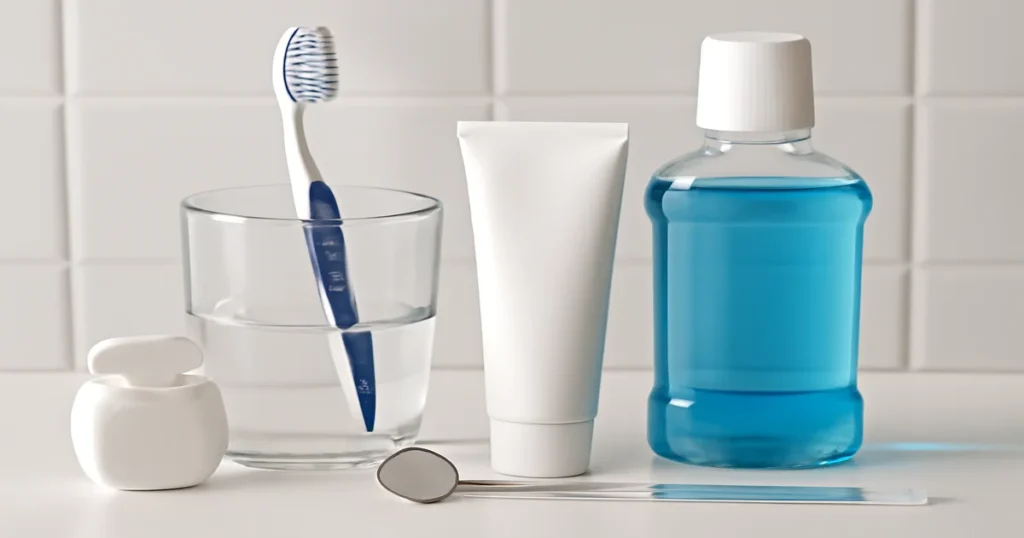
Strong dental hygiene doesn’t just keep teeth clean; it also prevents long-term damage and reduces the need for unexpected treatment. Whether you want to reduce sensitivity, prevent gum issues, or maintain a healthy smile, these practical dentist-recommended steps will help you protect your teeth at home and know when professional care is needed.
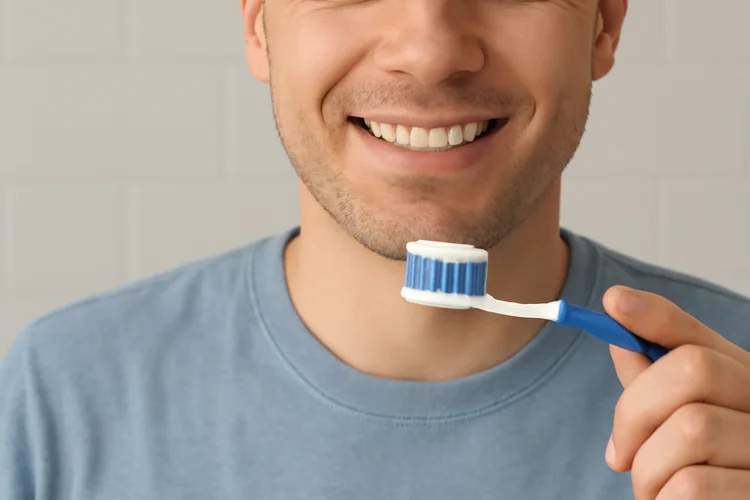
1. Brush Twice a Day Using the Correct Technique
Brushing correctly is more important than brushing aggressively. Many patients brush too hard, causing gum recession, enamel wear, and sensitivity. Using gentle circular motions for 2 minutes ensures the bristles reach under the gumline without damaging the gums. We often see patients who brush daily but still develop gum inflammation due to incorrect technique, something a professional cleaning and hygiene review can address early.
2. Don’t Skip Flossing
Flossing is the single most overlooked part of dental hygiene. Most cavities we treat form between the teeth, not on the surface. Flossing removes plaque and bacteria from tight areas that toothbrushes cannot reach. In many cases, early gum disease begins here. We often diagnose periodontal issues in patients who brush well but never floss, underscoring the importance of this simple step.
3. Schedule Professional Dental Cleanings Regularly
Even excellent home care cannot remove hardened tartar. We regularly see patients who brush and floss daily but still develop buildup below the gumline that can only be removed professionally. Cleanings help detect gum disease, decay, and inflammation early. Preventive appointments also catch minor issues before they become costly and painful problems.
Read more: Vaping and teen dental health
4. Use Fluoride Toothpaste
Fluoride reinforces enamel and strengthens teeth against acids. Patients who skip fluoride often experience higher rates of sensitivity, early decay, and enamel breakdown. Children and teens benefit even more because their enamel is still forming. We recommend checking toothpaste labels to ensure fluoride is included, it makes a measurable difference in dental outcomes.
Keep in mind that other oral health products can also help, especially in the case of wanting the best and most optimum results for your dental hygiene.
5. Replace Your Toothbrush Every 3–4 Months
A worn toothbrush is far less effective at removing plaque. Over time, bristles bend and collect bacteria. We often find patients struggling with recurring tartar or bleeding gums simply because they use old brushes. Switching to a fresh brush every 3–4 months, or sooner if bristles fray, helps improve technique and cleaning efficiency.
Read more: Bad breath with implants
6. Maintain a Low-Sugar Diet
Diet is one of the strongest predictors of dental health. Sugary drinks and frequent snacking create the perfect environment for decay. We often see patients with recurring cavities not because they don’t brush, but because their diet includes regular sweet beverages or snacks. Reducing sugar frequency, not just quantity, has the most significant impact. For more advanced decay, restorative dentistry in Scarborough or dental crown treatment may become necessary.
7. Drink Plenty of Water Throughout the Day
Water plays a key role in neutralizing acids and removing food particles. Many Scarborough patients experience dry mouth due to medications or dehydration, which significantly increases the risk of cavities. Drinking water consistently throughout the day helps maintain healthy saliva flow, which is your body’s natural defence system against decay.
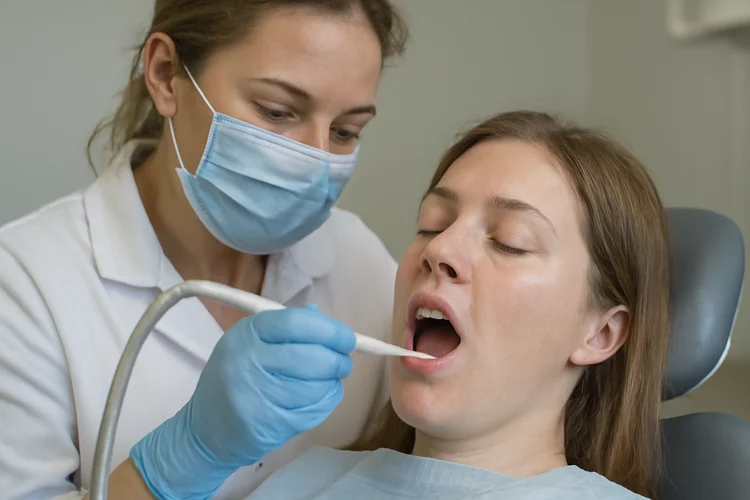
8. Don’t Ignore Bleeding Gums
Bleeding gums are not normal; they are a warning sign. We treat many patients who ignore gum bleeding until the condition progresses to periodontal disease. Early care prevents recession and bone loss. Routine visits allow us to diagnose the cause and guide treatment before it affects the stability of your teeth.
Many people don’t know that gums are as important as their teeth, since there is a surprising link between gums and heart health that people don’t take seriously.
9. Avoid Using Teeth to Open or Hold Objects
We frequently treat dental injuries caused by simple habits, such as opening packages, chewing ice, or biting fingernails. These actions can put pressure on teeth, leading to cracks or chips. A chipped tooth often requires emergency dental care in Scarborough, or even root canal treatment if ignored. Protect your teeth by avoiding unnecessary stress and using the right tools instead.
10. Visit Your Dentist Every 6 Months
Even if you feel no pain, problems can develop without symptoms. Regular dental exams help detect tooth decay, gum inflammation, and bite problems early. Many complex procedures could have been avoided if the issue had been diagnosed earlier. Preventive care is one of the most effective ways to keep teeth healthy in the long term and avoid emergency or advanced treatment.
Ready to Improve Your Dental Hygiene?
Healthy teeth start with the right habits and regular professional care. Book your next appointment at Lawrence Dental Centre in Scarborough for a comprehensive checkup and personalized hygiene recommendations.
Take the Next Step for Better Dental Hygiene
Good dental hygiene is built on simple habits done consistently. By brushing properly, flossing daily, and keeping regular dental appointments, you lower your risk of decay, gum disease, and unexpected emergencies. Small preventive steps today help maintain healthier teeth, stronger gums, and a more confident smile in the long term.
If you’re ready to take the next step in protecting your oral health, Lawrence Dental Centre in Scarborough is here to help. Our team provides preventive care, dental cleanings, and personalized hygiene guidance for the whole family. Book your appointment today and keep your smile healthy and protected year-round.
