

If you brush every day but still notice bleeding, swelling, or gum tenderness, your routine may be incomplete. Maintaining healthy gums requires more than regular dental hygiene, like brushing alone; it requires consistent plaque control, proper technique, and professional support. Many cases of early gum disease begin not because people neglect oral care, but because they miss key steps in a complete gum care routine.
In this guide, we outline the best daily routine for maintaining healthy gums, explain which habits truly make a difference, and show how professional care plays a critical role in preventing gingivitis and periodontal disease.

What Is the Best Routine for Maintaining Healthy Gums
Healthy gums depend on consistent disruption of plaque buildup along and below the gumline. The goal is to remove bacteria before they trigger inflammation that leads to gingivitis and, eventually, periodontal disease.
A complete routine includes proper brushing, daily flossing or interdental cleaning, and, when appropriate, antibacterial support. Skipping even one component can allow plaque to remain in high-risk areas, especially between teeth and along the gum margin.
Proper Brushing Technique
Brush teeth twice daily with a soft-bristle toothbrush and fluoride toothpaste. The brush should be angled at 45 degrees toward the gumline to gently clean where plaque accumulates most.
Brushing too hard or using improper angles can irritate the gums and cause recession over time. A full two-minute brushing session ensures all tooth surfaces, including back molars, are cleaned effectively.
Daily Flossing and Interdental Cleaning
Flossing is essential because plaque between teeth cannot be removed by brushing alone. Interdental areas are where gingivitis often begins.
Using floss or appropriate interdental tools once per day prevents plaque from hardening into tartar, which irritates the gums and contributes to inflammation.
Using Antibacterial Mouthwash Effectively
An antibacterial mouthwash can reduce bacterial levels, especially for individuals prone to gum inflammation. However, mouthwash should complement brushing and flossing, not replace them.
When used properly, it helps reach areas that mechanical cleaning may miss and supports overall gum health.

Daily Habits That Support Long-Term Gum Health
Healthy gums are maintained through small, consistent behaviours practiced every day. These step-by-step habits help reduce plaque buildup, lower inflammation, and protect against gum disease over time:
- Brush twice daily with proper technique
Use a soft-bristled toothbrush and fluoride toothpaste, angling the brush toward the gumline to remove plaque effectively. - Floss or use interdental cleaning tools once daily
Cleaning between teeth prevents plaque accumulation in areas that brushing cannot reach. - Stay well hydrated throughout the day
Adequate water intake supports saliva production, which naturally protects gum tissue. - Limit frequent snacking, especially sugary foods
Reducing constant sugar exposure decreases bacterial growth and gum irritation. - Avoid tobacco use
Smoking restricts blood flow to the gums and increases the risk of periodontal disease. - Maintain a balanced diet rich in nutrients
Vitamins and minerals support immune function and strengthen gum tissue. - Attend regular professional cleanings and dental checkups
Professional monitoring ensures early detection and management of gum inflammation.
Consistent adherence to these steps significantly reduces the likelihood of long-term gum problems.
Here’s a tip specifically for children, brought to you from the NHS:
“1. Start brushing a baby’s teeth as soon as they come through.
2. Avoid sweetened foods and drinks.
3. Get children into a teeth-cleaning routine”
Read more: Dental hygiene tips
Early Signs of Gum Problems to Watch For
Gum disease often begins subtly, and early symptoms can be easily overlooked. Recognizing these warning signs allows for timely intervention before more serious damage occurs:
- Bleeding during brushing or flossing
Healthy gums should not bleed regularly. Persistent bleeding indicates inflammation. - Redness or swelling along the gumline
Inflamed gums may appear darker and feel tender to the touch. - Persistent bad breath (halitosis)
Ongoing odour can signal bacterial accumulation beneath the gums. - Gum tenderness or discomfort
Mild soreness may indicate early gingivitis. - Gum recession or teeth appearing longer
Receding gums expose more of the tooth surface and may increase sensitivity. - Loose teeth or changes in bite (in advanced cases)
These are signs of a more progressed periodontal disease.
Identifying these symptoms early and seeking evaluation helps prevent progression to more serious gum conditions.
The Role of Professional Teeth Cleaning in Gum Care
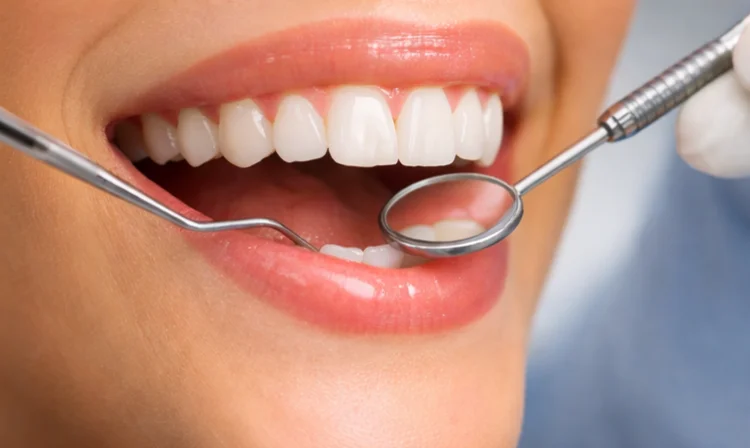
Even with excellent home care, plaque can harden into tartar in hard-to-reach areas. Once tartar forms, it cannot be removed at home.
Professional cleanings remove hardened deposits and restore smooth tooth surfaces, reducing bacterial retention. Regular cleanings also allow early detection of gum changes before they become severe.
For patients showing signs of more advanced inflammation, referral for periodontics care may be necessary to prevent further progression.
Read more: Best toothbrushes for adults
How Often to Schedule Dental Checkups for Healthy Gums
Most patients benefit from dental checkups and professional teeth cleaning every six months. However, individuals with a history of gum disease, plaque buildup, or systemic risk factors may require more frequent visits.
Routine general dentistry appointments allow monitoring of gum health, early intervention when needed, and reinforcement of effective home care techniques.
Preventive scheduling reduces the likelihood of requiring restorative procedures later.
Protect Your Gums Before Problems Begin.
At Lawrence Dental Centre, our team provides personalized gum care when necessary. If you’re experiencing bleeding or inflammation, scheduling a checkup can help restore gum health before the condition worsens.
Build Consistency With The Best Healthy Gums Routine
Healthy gums require more than brushing alone. A complete routine, including proper technique, daily flossing, supportive habits, and professional cleanings, is essential for preventing gum disease.
At Lawrence Dental Centre, we help patients maintain healthy gums. Small improvements in daily habits can prevent major dental complications in the future.
FAQ
How can I stop my gums from bleeding when brushing?
Bleeding usually indicates inflammation caused by plaque buildup. Improving brushing and flossing technique and scheduling a professional cleaning typically resolves the issue.
Is mouthwash necessary for healthy gums?
Mouthwash can help reduce bacteria, but should be used alongside brushing and flossing, not as a replacement.
How often should I get a professional teeth cleaning?
Most people benefit from cleanings every six months, though some may need more frequent visits depending on gum health.
Have you experienced bleeding gums even while brushing daily?
Share your questions or experiences below
Your insight may help others improve their gum care routine.
