

Many people in Scarborough brush their teeth once or even twice a day, yet still deal with cavities, bleeding gums, or persistent bad breath. In most cases, the problem isn’t how often they brush, it’s how they brush. Small technique errors, repeated daily, can quietly undermine dental hygiene.
In this article, we break down the most common brushing mistakes, explain how they affect long-term dental health, and show how simple adjustments can make brushing far more effective. Understanding these habits helps prevent avoidable dental problems before professional treatment becomes necessary.

The Most Common Brushing Mistakes Scarborough Residents Make
Brushing mistakes are widespread because they often feel harmless and go unnoticed. Over time, however, they contribute directly to plaque buildup, enamel wear, and gum irritation.
1. Brushing Too Hard
Many people believe brushing harder removes more plaque, but aggressive brushing actually damages tooth enamel and irritates gum tissue. Over time, this can lead to gum recession, tooth sensitivity, and an increased risk of root decay. Plaque removal depends on technique, not force.
2. Not Brushing Long Enough
Effective brushing should last at least two minutes. Short brushing sessions leave plaque behind, especially on molars and near the gumline. These missed areas are common starting points for cavities and gum disease.
3. Using the Wrong Toothbrush
Hard bristles or oversized brush heads make it difficult to clean effectively without causing damage. A soft-bristled toothbrush with a manageable head size is best for protecting enamel while removing plaque.
4. Skipping the Gumline
Plaque tends to accumulate where teeth meet the gums and on the back molars. Many people focus only on the front teeth, leaving high-risk areas untreated. This oversight contributes to gingivitis and bad breath.
5. Brushing at the Wrong Time
Brushing immediately after acidic foods or drinks can damage softened enamel. Waiting 30–60 minutes allows saliva to neutralize acids and protect tooth surfaces.
Read more: The best toothbrushes for adults
How Poor Brushing Habits Affect Long-Term Oral Health
Incorrect brushing habits allow plaque to remain on teeth, where it hardens into tartar and irritates the gums. Over time, this increases the risk of gum disease, cavities, and enamel erosion. Left unaddressed, these issues may require restorative dentistry.
Chronic gum irritation can progress into conditions managed through periodontics, while severe decay may lead to tooth extractions. Many of these outcomes are preventable with proper brushing technique and early intervention.
Why These Mistakes Are So Common in Daily Routines
Brushing is a learned habit, often picked up in childhood and rarely corrected in adulthood. Busy schedules, fatigue, and misinformation all contribute to rushed or improper brushing.
Additionally, many people assume brushing alone is sufficient, overlooking the need for flossing and professional care. Without regular feedback during general dentistry visits, these habits persist unnoticed for years.
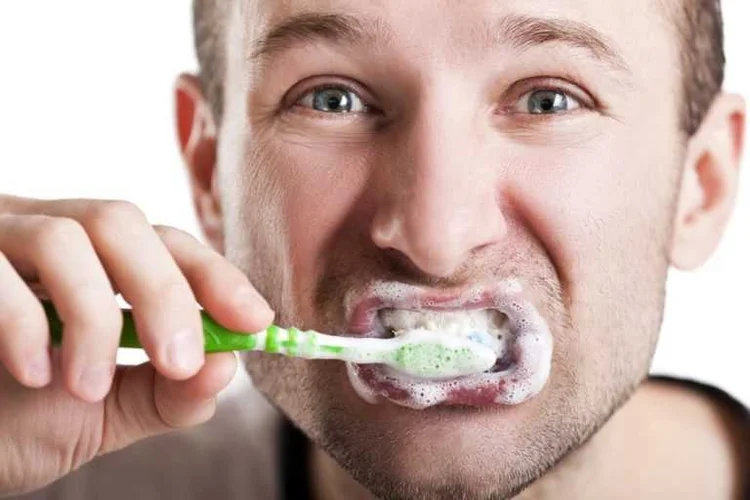
Simple Changes That Improve Brushing Effectiveness
Improving brushing does not require expensive tools or complex routines. Small changes make a significant difference:
- Use a soft-bristled toothbrush and gentle pressure
- Brush for a full two minutes, twice daily
- Angle the brush toward the gumline
- Clean all surfaces, including back molars
- Pair brushing with daily flossing
Dentists often reinforce these techniques during dental hygiene appointments to help patients correct habits early and avoid future complications.
A bonus tip here is the timeframe for toothbrush replacement, which must be taken seriously since many people don’t care about it. According to ADA:
“Replace toothbrushes every three to four months or more often if the bristles are visibly matted or frayed.”
Read more: Dental hygiene tips
When to Seek Professional Dental Guidance
If you experience bleeding gums, frequent cavities, sensitivity, or persistent bad breath despite daily brushing, a professional evaluation is essential. These signs often indicate that brushing habits alone are not effectively controlling plaque or inflammation.
A dentist can assess brushing technique, enamel condition, and gum health during a routine general dentistry visit. Early guidance helps prevent progression to more complex dental problems.
Make Your Brushing Routine Work For You Not Against You.
At Lawrence Dental Centre, our team helps patients identify brushing mistakes and correct them through professional dental hygiene care. If you’re dealing with gum irritation or frequent cavities, booking an appointment can help you protect your smile more effectively.
Protect Your Smile By Avoiding Brushing Mistakes
Brushing daily is essential, but brushing correctly is what truly protects teeth and gums. Common mistakes, such as brushing too hard or too briefly, quietly contribute to dental problems many people believe are unavoidable.
At Lawrence Dental Centre, we help Scarborough patients improve their oral hygiene. Small corrections today can prevent major dental issues tomorrow.
FAQ
Is brushing harder better for removing plaque?
No. Brushing too hard damages enamel and gums without improving plaque removal.
How long should proper tooth brushing take?
At least two minutes, twice a day.
Can brushing mistakes cause gum disease?
Yes. Poor technique allows plaque to remain along the gumline, leading to inflammation and gum disease.
Have you ever realized you were brushing incorrectly?
Share your experience or questions below
Your insight may help other Scarborough residents improve their oral hygiene habits.
